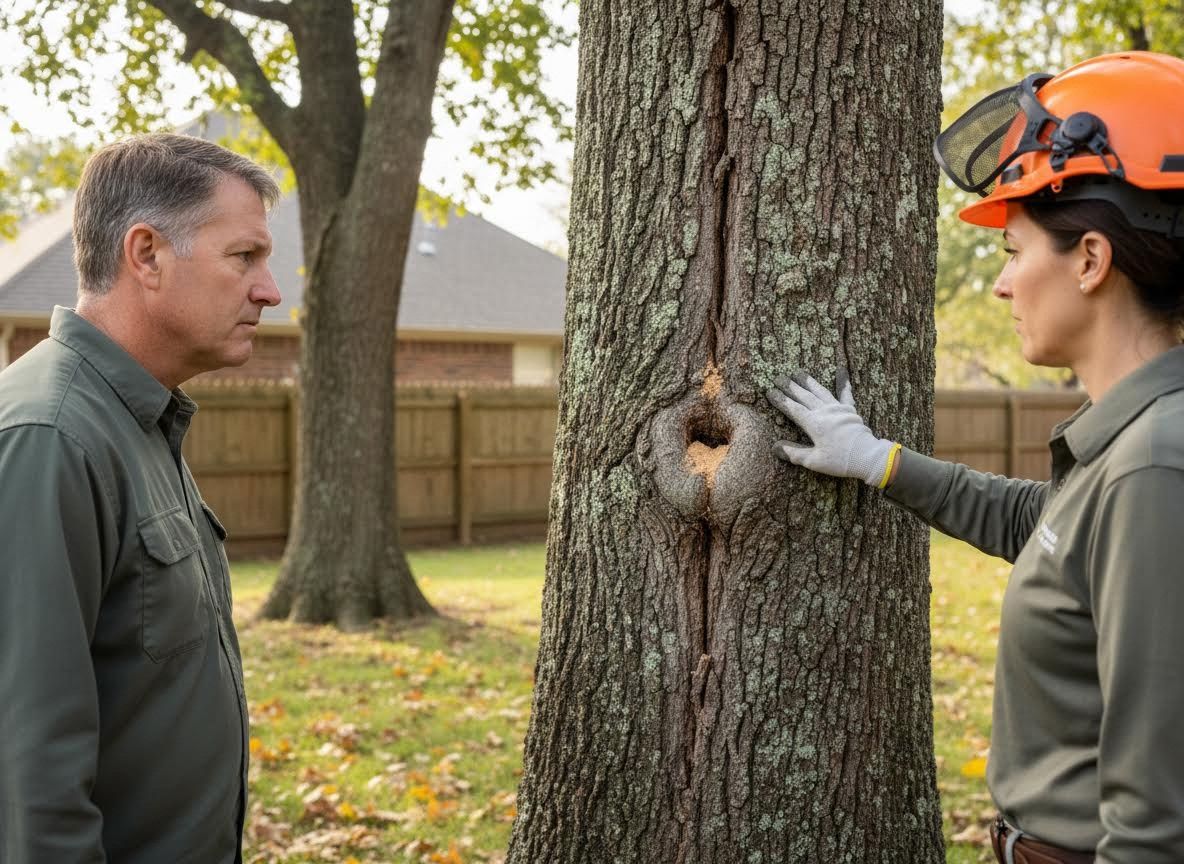
As a homeowner in Northwest Arkansas, your trees are more than just landscape features; they represent a significant investment and contribute to the beauty and value of your property. Recognizing the early signs of stress or disease in your trees is crucial for their long-term health and the safety of your home. Understanding these indicators can help you act promptly to preserve your valuable assets.
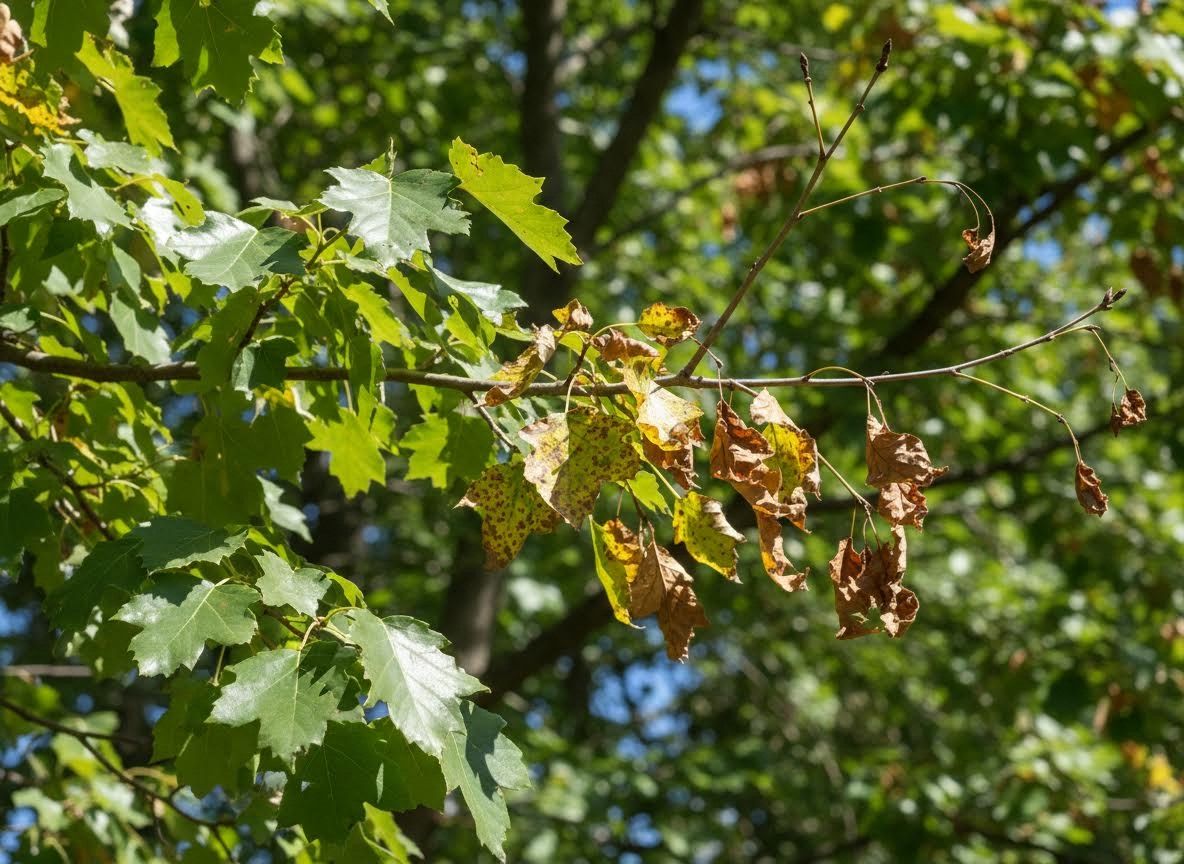
Spotting Trouble in the Foliage and Branches
One of the first places to look for signs of a sick or dying tree is in its canopy. Healthy leaves typically have a consistent color, size, and shape, appropriate for the season and species. Watch for leaves that are discolored, turning yellow or brown prematurely, or developing unusual spots, holes, or growths. Wilting foliage, especially during periods of adequate moisture, can also signal an issue. Similarly, observe the branches. Are there an unusual number of dead or brittle branches, especially on one side of the tree? Does the tree have sparse foliage compared to previous years or to healthy trees of the same species nearby? These can be early warnings that your tree needs attention, potentially requiring professional pruning or other tree care services.
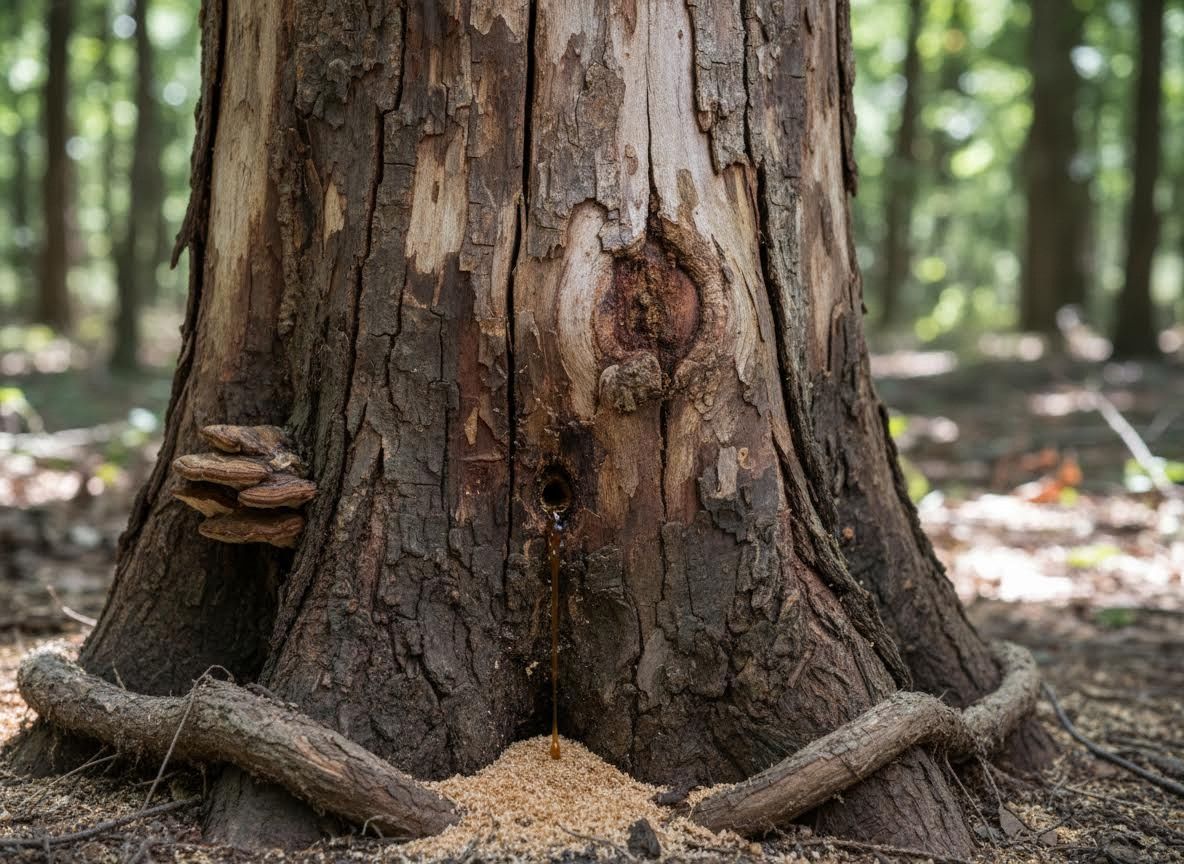
Examining the Trunk, Bark, and Base
The trunk and bark of a tree provide a protective layer and a conduit for nutrients. Any damage or unusual changes here can indicate serious health problems. Look for cracks, peeling bark that isn't typical for the species, or cankers—sunken, discolored areas on the bark. Fungal growths, such as mushrooms or conks, emerging from the trunk or roots are often a sign of internal decay. Holes in the bark, sawdust at the base, or oozing sap can point to pest infestations, which, if left untreated, can severely weaken a tree. Also, inspect the base of the tree and the surrounding soil. Girdling roots, which grow around the trunk and constrict it, or soil heaving around the root collar, can restrict water and nutrient uptake, leading to a gradual decline.
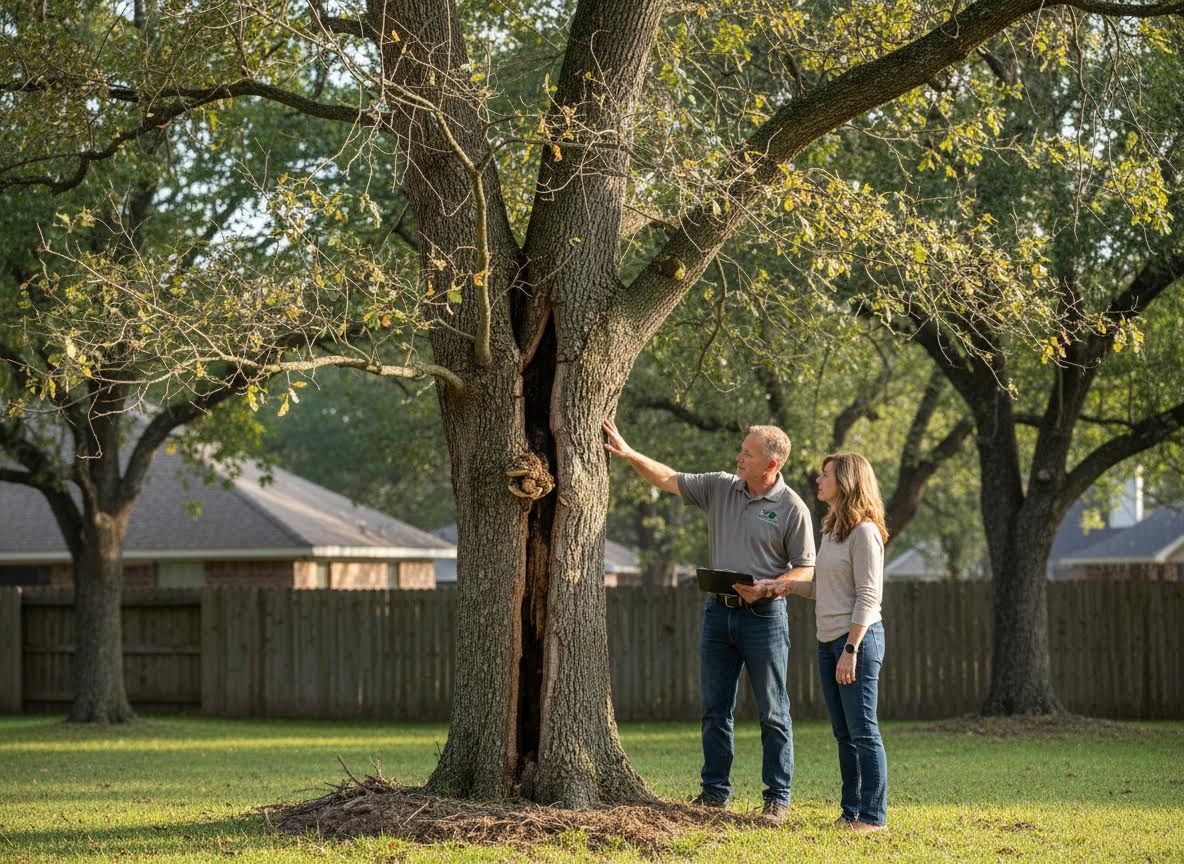
Assessing Overall Tree Health and Taking Action
Beyond specific symptoms, consider the overall vigor of your tree. Is it growing slowly, failing to produce new leaves, or experiencing significant dieback in its crown? Has it developed a noticeable lean, or does it appear unstable? Environmental stressors like severe drought, construction damage, or changes in soil grade can also contribute to a tree's decline, making it more susceptible to disease and pests. If you observe several of these signs, it's wise to consult with certified arborists experienced in diagnosing tree health issues. Early intervention, through specialized healthcare treatments or targeted tree trimming, can often save a struggling tree. However, if a tree is too far gone, tree removal might be the safest course of action, followed by efficient stump grinding to prevent further issues.
Recognizing the subtle and overt signs of a sick or dying tree is vital for maintaining a healthy and safe property. Proactive observation can help you determine when it's time to seek expert guidance. If you notice any of these warning signs, learning more about professional tree care services and what options are available can prevent further damage and protect your landscape investment. Our dedicated team at Spira Tree Care, led by our Certified Arborist, Michael, is committed to providing solutions to ensure the vitality of your trees.