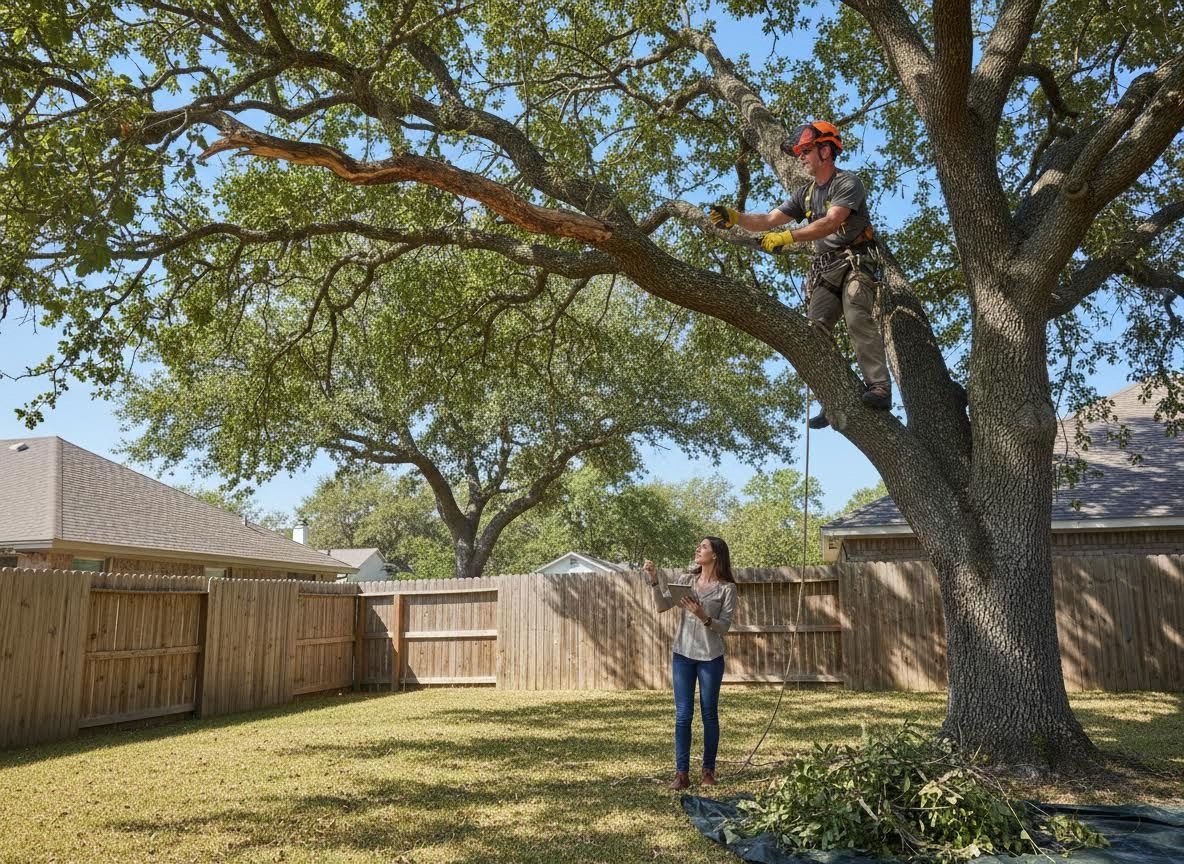
Understanding how often your trees need attention is crucial for their health, safety, and your property's aesthetics. While many homeowners consider tree trimming primarily for visual appeal, it's a vital aspect of comprehensive tree care that prevents hazards and promotes robust growth. At Spira Tree Care, we believe that informed decisions are the best ones when it comes to maintaining your valuable landscape.
Regular Tree Trimming
Regular tree trimming is more than just a cosmetic touch-up; it's a preventative measure that significantly contributes to the tree's overall well-being. Strategically removing dead, diseased, or overcrowded branches improves air circulation and light penetration, which are crucial for reducing the risk of pest infestations and fungal diseases. This proactive approach helps extend the lifespan of your trees and maintains their natural beauty. Beyond health, proper trimming enhances the structural integrity of a tree, reducing the likelihood of limbs breaking during storms and causing damage to property or injury to people.
Factors Influencing Trimming Frequency
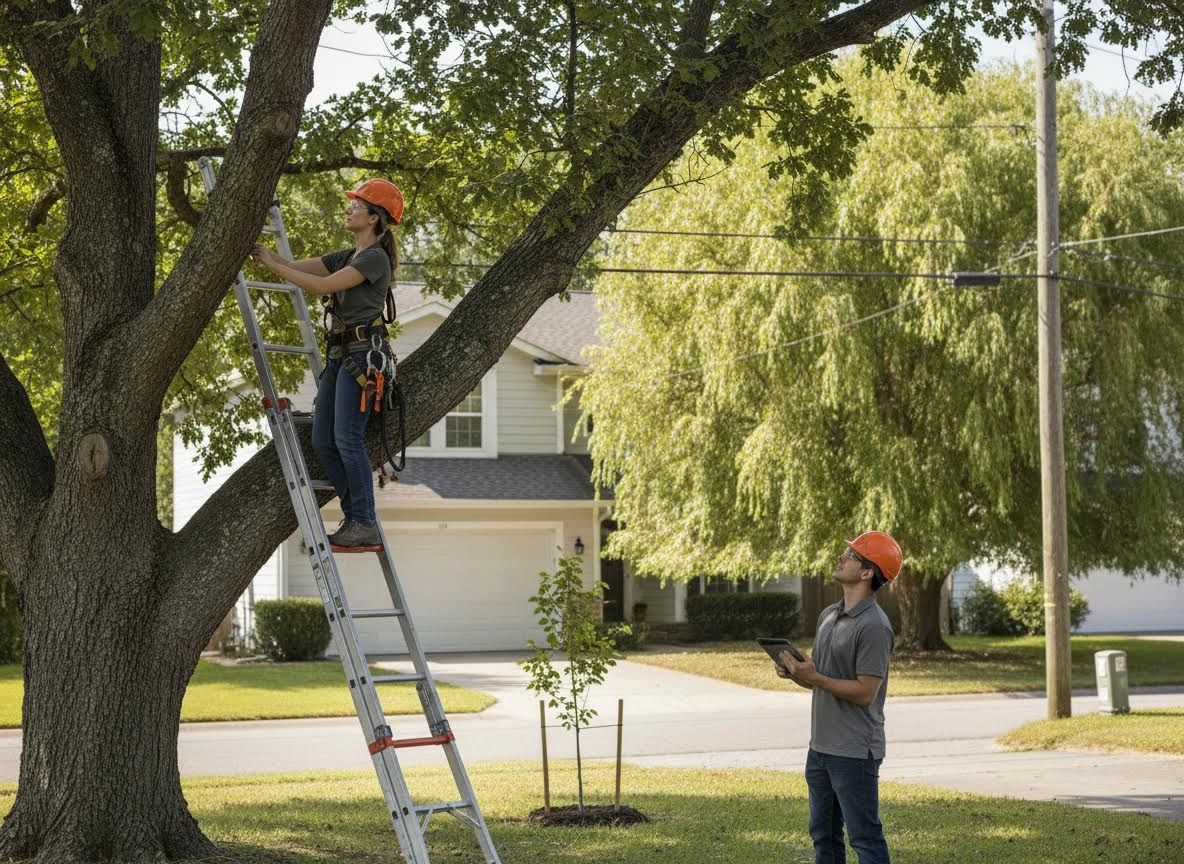
There isn't a universal schedule for tree trimming because each tree is unique. Factors such as the tree species, its age, and current health play a significant role in determining the ideal frequency. For instance, fast-growing species might require more frequent attention than slow-growing ones, while young trees often benefit from formative pruning to establish a strong structure. Mature trees typically need less frequent, but more strategic, trimming. Additionally, the tree's location – especially its proximity to homes, driveways, or utility lines – often dictates more regular upkeep for safety and clearance reasons.
Recognizing When Your Trees Need Attention
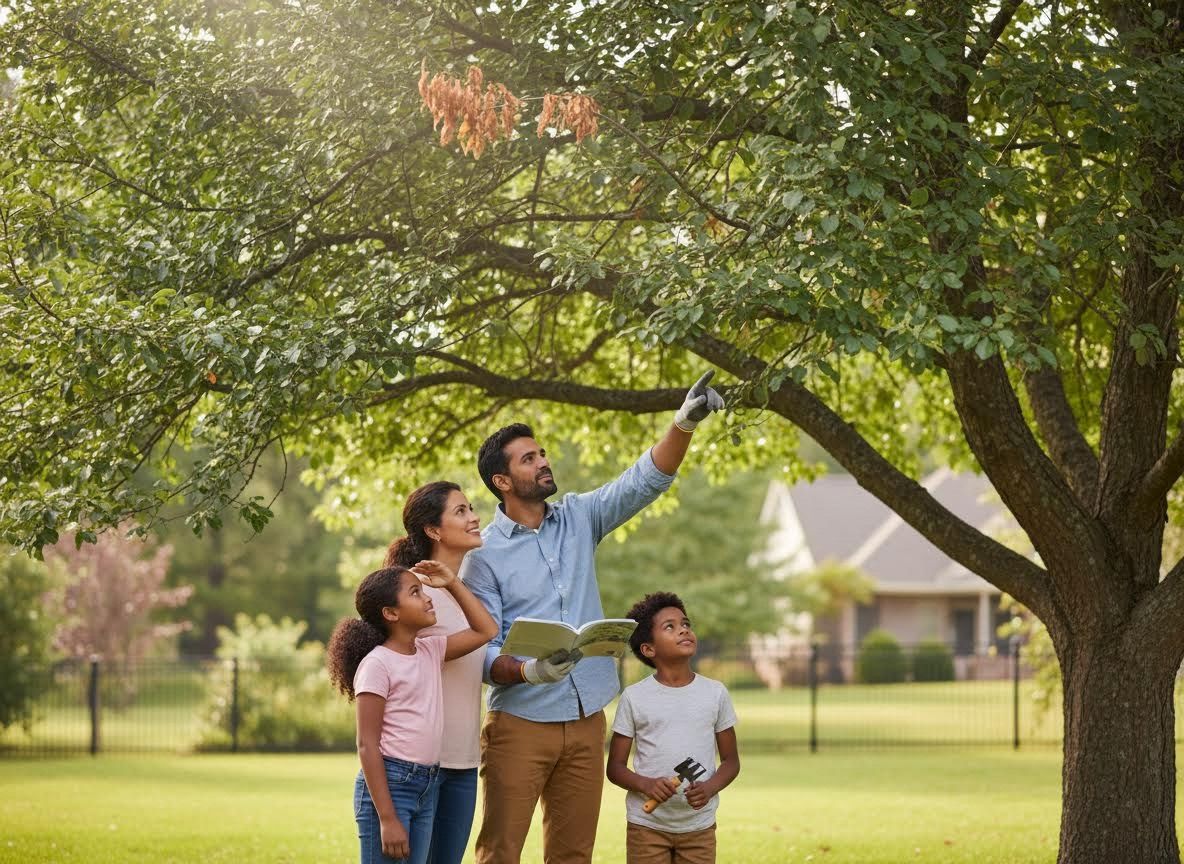
Beyond a set schedule, observing your trees for specific indicators can tell you when it's time for professional tree care. Look for branches that appear dead, discolored, or brittle, as these pose a fall risk. Branches growing into structures, obstructing views, or interfering with power lines are also clear signals that immediate action is needed. Any unusual growth patterns, signs of disease, or a general lack of vigor suggest an assessment from a professional. Addressing these issues promptly through expert tree trimming can prevent minor problems from escalating into more serious concerns, potentially avoiding the need for extensive tree removal later.
Why Expertise Matters for Your Trees
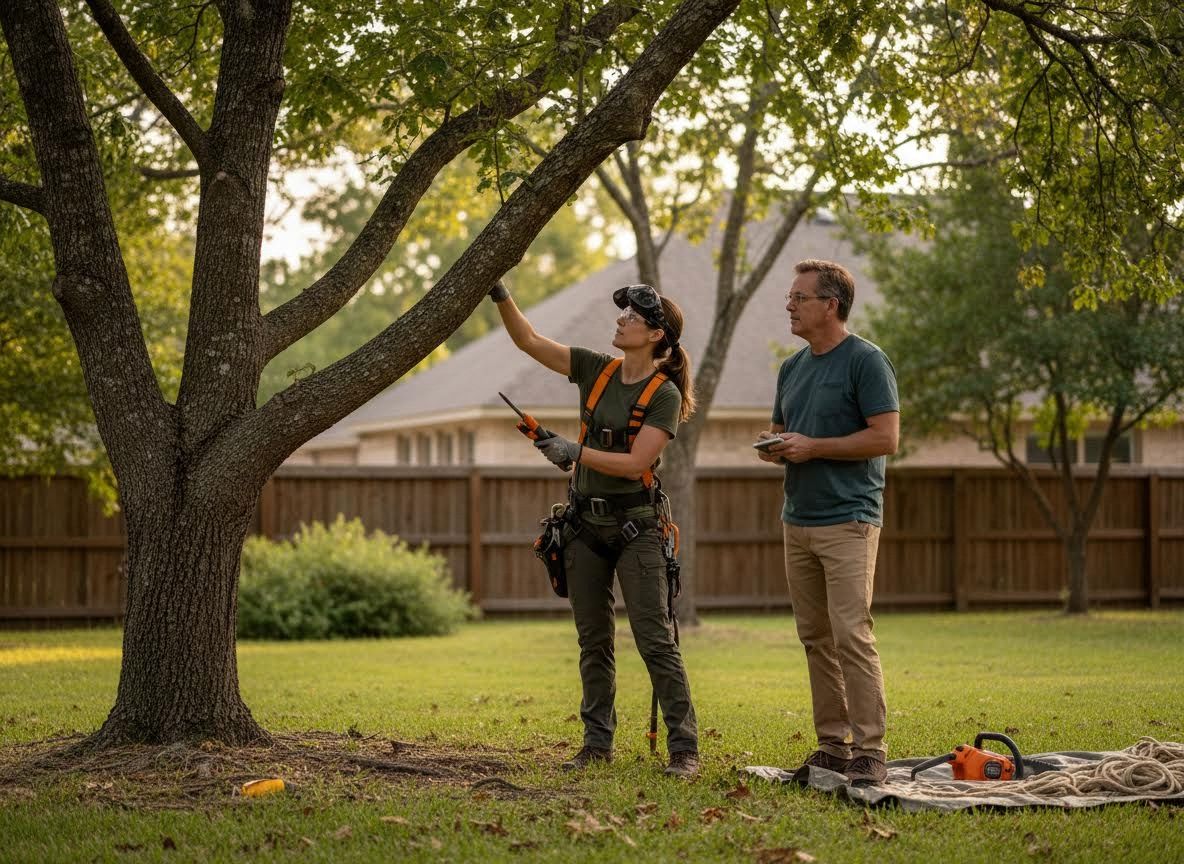
While noticing these signs is a great first step, proper tree trimming requires expertise that goes beyond basic landscaping. Professional tree care companies possess a deep understanding of arboriculture, including tree biology, growth patterns, and the correct techniques for effective pruning. Attempting complex tree trimming yourself can be dangerous and potentially harm the tree, leading to improper cuts that weaken it or expose it to disease. Engaging professional tree care services ensures the job is done safely, efficiently, and in a way that promotes the long-term health and structural integrity of your trees. This specialized care helps protect your investment and can often prevent the need for more drastic solutions like full tree removal and stump grinding.
Determining the optimal frequency for tree trimming is a nuanced process that balances aesthetic desires with the critical health and safety needs of your trees. Regular, informed care is an investment in your property's value, safety, and the enduring beauty of your landscape. For personalized advice and to ensure your trees receive the highest standard of tree care services, consult with our ISA Certified Arborists at Spira Tree Care to develop a tailored maintenance plan that meets your needs.