Understanding the cost of tree removal can seem complicated, as prices vary significantly based on numerous factors unique to each situation. Many homeowners in Northwest Arkansas find themselves wondering what goes into the final quote, and it's more than just cutting down a tree. At Spira Tree Care, we believe in transparency and educating our clients on what impacts their investment in professional tree care. This post will break down the elements that contribute to the overall price, helping you understand the value behind a comprehensive service.
Factors Influencing Tree Removal
The primary determinants of tree removal cost revolve around the tree itself and its surroundings. The size of the tree, specifically its height and trunk diameter, plays a crucial role; larger trees require more time, specialized equipment, and a larger crew, directly increasing the labor and operational expenses. The type of tree also matters, as some species have denser wood or complex branching patterns that make them more challenging to remove. Furthermore, the tree's health and condition are significant. A dead or diseased tree might be unstable, posing greater risks and demanding extra precautions, while a healthy tree in good condition might be more straightforward.
Location and Accessibility Considerations
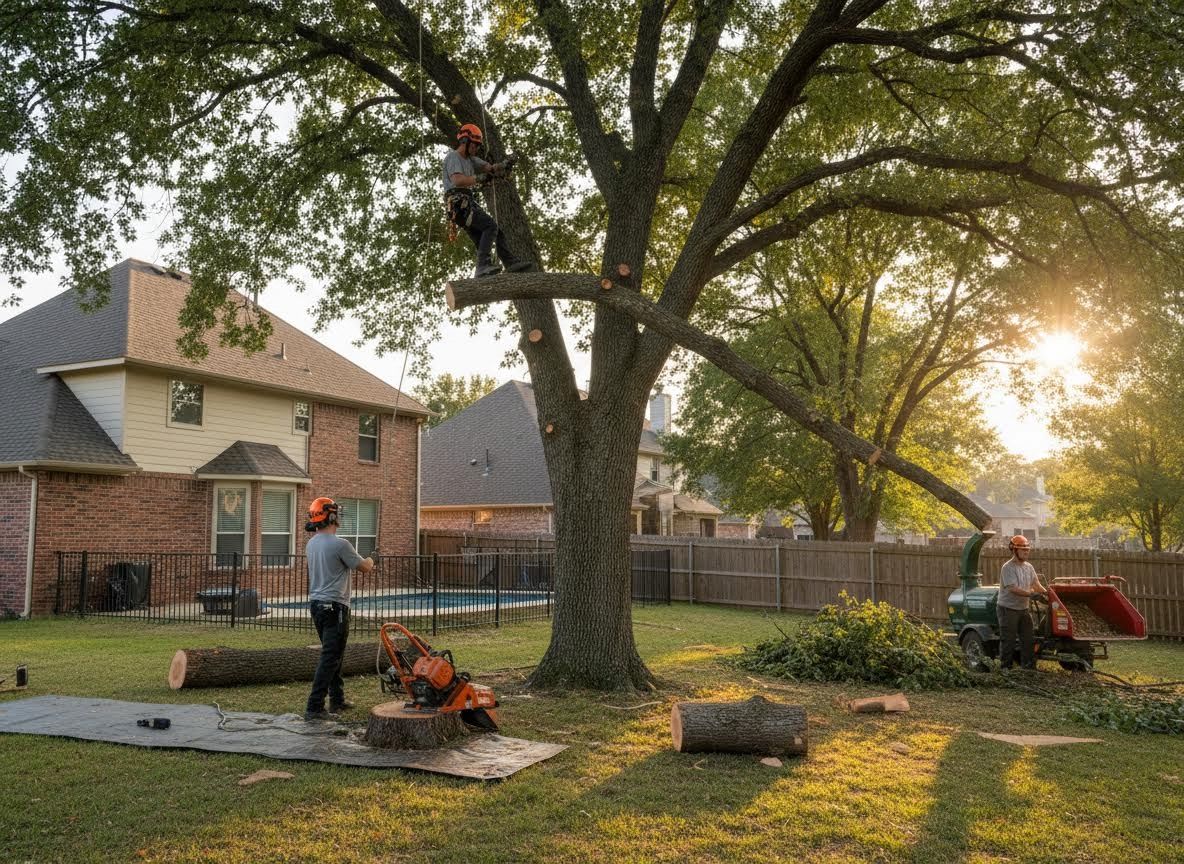
Beyond the tree's characteristics, its location significantly impacts the cost. Trees situated close to structures such as homes, fences, or utility lines require precise, careful rigging techniques to prevent damage, adding complexity and time to the job. Similarly, accessibility to the tree is vital; if heavy machinery cannot easily reach the site, more manual labor might be involved, increasing the overall cost. For example, a tree in a wide-open yard will typically be less expensive to remove than one nestled between a garage and a swimming pool, requiring intricate planning and execution to ensure safety and prevent property damage.
Understanding Additional Services
Often, tree removal is just one part of a larger tree care service package. After a tree is removed, many clients opt for stump grinding to eliminate the remaining stump below ground level, preventing regrowth and allowing for new landscaping. This is a separate service that adds to the overall cost. Other considerations include debris removal; while some companies include basic cleanup, extensive hauling of wood and branches may incur additional fees. Emergency tree removal services, often required after storms, come at a premium due to the immediate response and hazardous conditions involved. Professional tree care companies will outline these options clearly in their quotes.
The Value of Professional Expertise
While the cost of professional tree removal can be a significant investment, it is crucial to recognize the immense value it provides. Attempting to do-it-yourself tree removal, especially for larger or hazardous trees, poses extreme risks to personal safety and property. Professional tree care companies bring certified expertise, extensive experience, and specialized equipment to ensure the job is done safely and efficiently. They also carry the necessary insurance to protect homeowners from liability should an accident occur. Investing in professional services ensures peace of mind, knowing that a complex and potentially dangerous task is handled by skilled experts, allowing you to avoid costly damage or injury.
Understanding the various factors that influence the cost of tree removal helps homeowners appreciate the comprehensive service provided by professional tree care companies. From the tree's size and location to additional services like stump grinding, each element plays a role in the final investment. When considering tree trimming or a full tree removal, consulting with certified arborists ensures you receive a thorough assessment and a solution tailored to your specific needs, protecting your property and enhancing its beauty for years to come.