
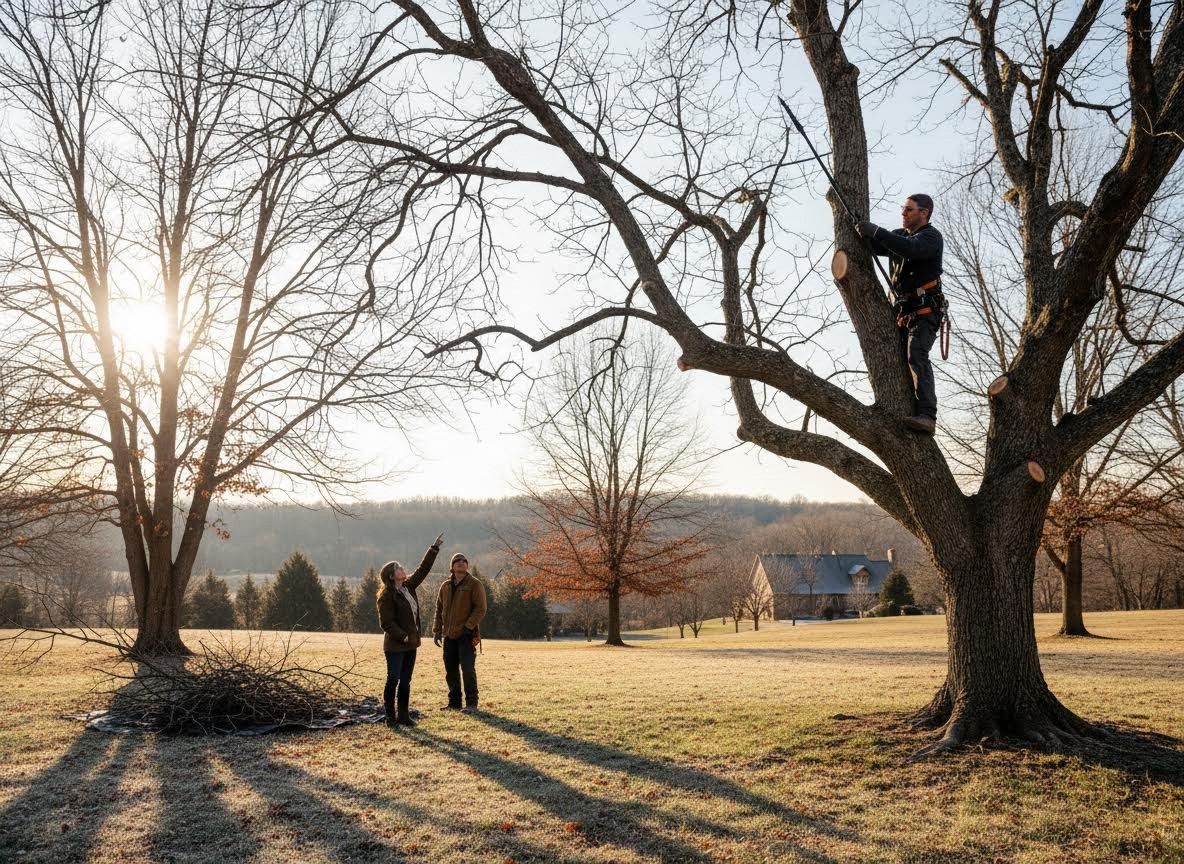
Proper tree pruning is essential for maintaining the health, safety, and aesthetic appeal of your landscape, especially in the unique climate of Northwest Arkansas. Understanding when to prune can make a significant difference in the long-term well-being of your trees. At Spira Tree Care, we believe that informed homeowners are empowered homeowners, and knowing the optimal timing for tree care services is a crucial first step. This guide will help you navigate the seasonal considerations for effective tree pruning right here in our community.
The Dormant Season
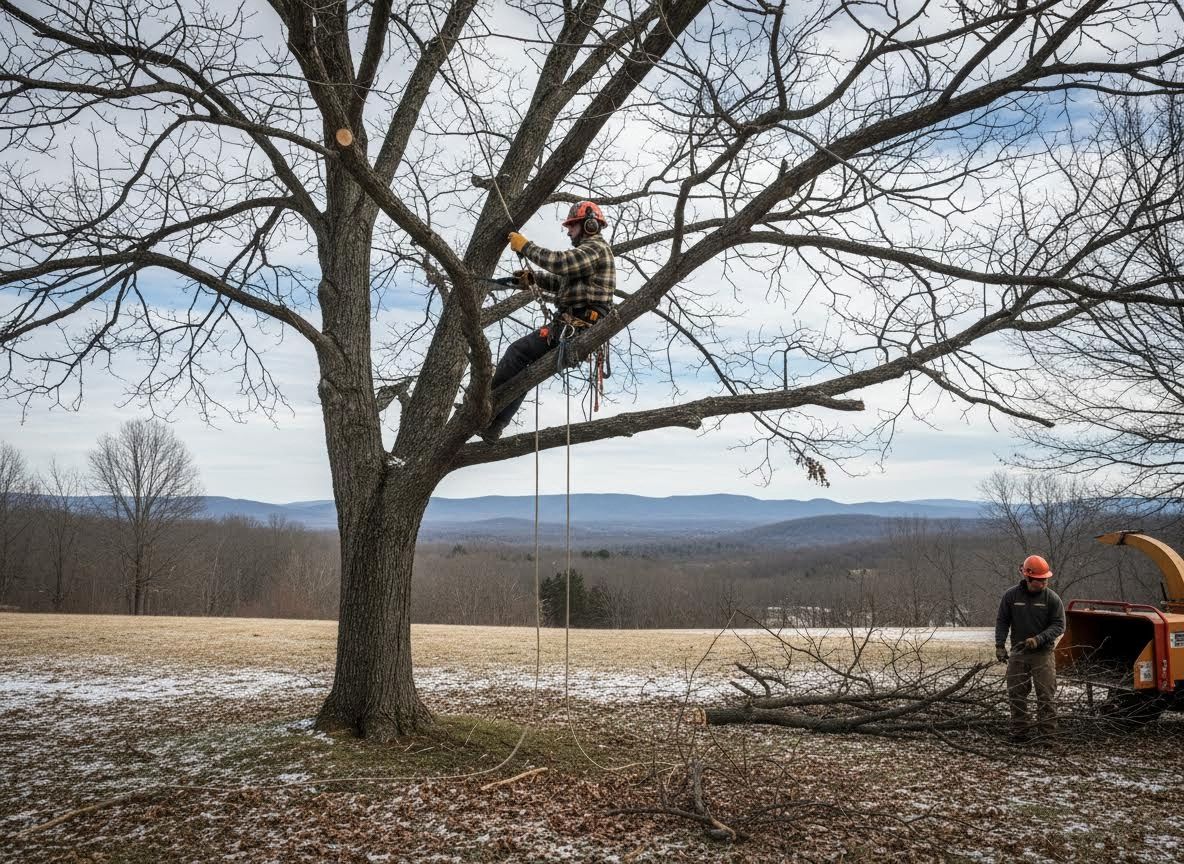
For the majority of deciduous trees, the dormant season—typically late fall through late winter—is the ideal time for significant pruning. During this period, trees have shed their leaves, making it easier for professionals to see the tree's structure and identify branches that need removal. Pruning during dormancy also minimizes stress on the tree, as it's not actively growing, and reduces the risk of disease and pest infestation that can occur when fresh cuts are exposed during warmer, more active seasons. This is particularly beneficial for structural pruning, where larger limbs are removed to improve the tree's overall form and strength.
Summer Pruning
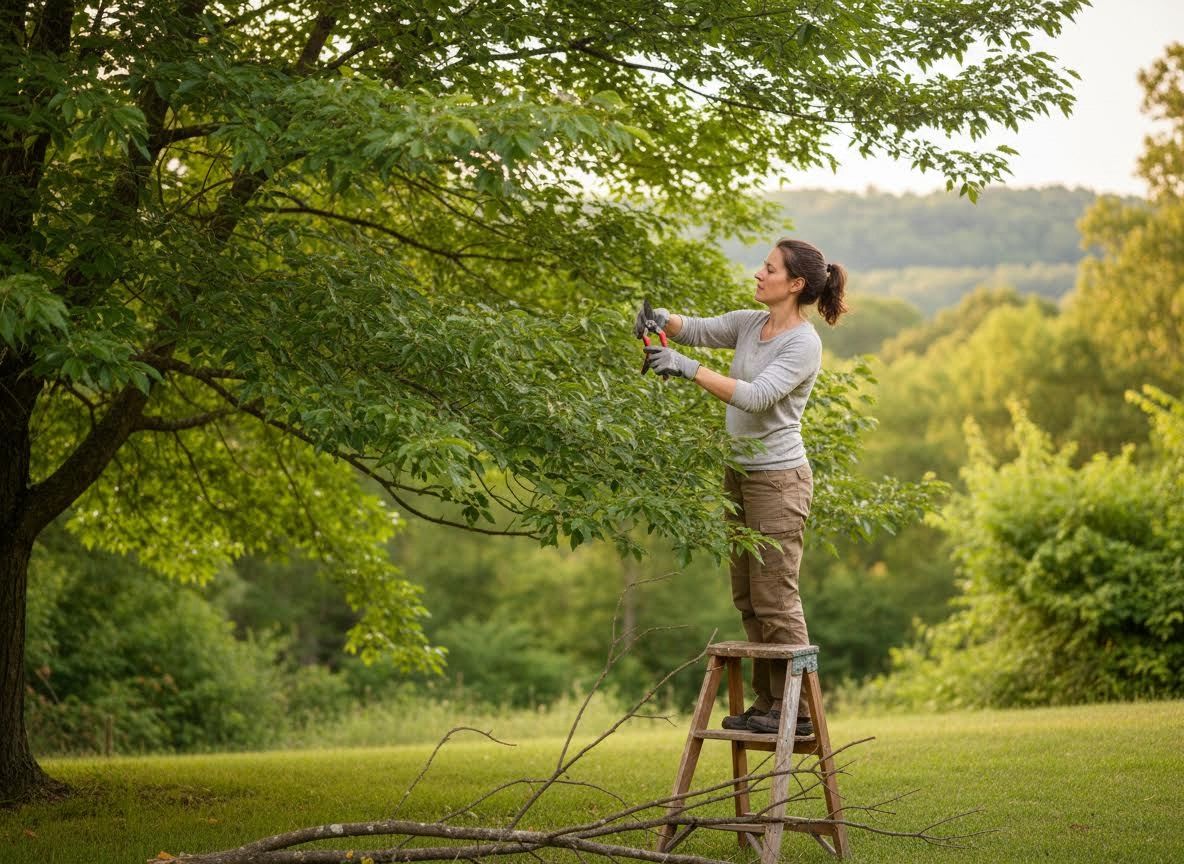
While dormant pruning is excellent for major structural work, summer pruning also has its place for specific objectives. This type of pruning is often done to control tree size, remove dead or diseased branches, or to improve light penetration to lower branches or the landscape below. When trees are in full leaf, it's easier to spot unhealthy limbs or areas where growth is too dense. However, summer pruning should be approached with caution, as excessive removal of foliage can stress the tree, especially during hot, dry periods. It's best reserved for light trimming or corrective measures rather than heavy reductions.
When to Exercise Caution
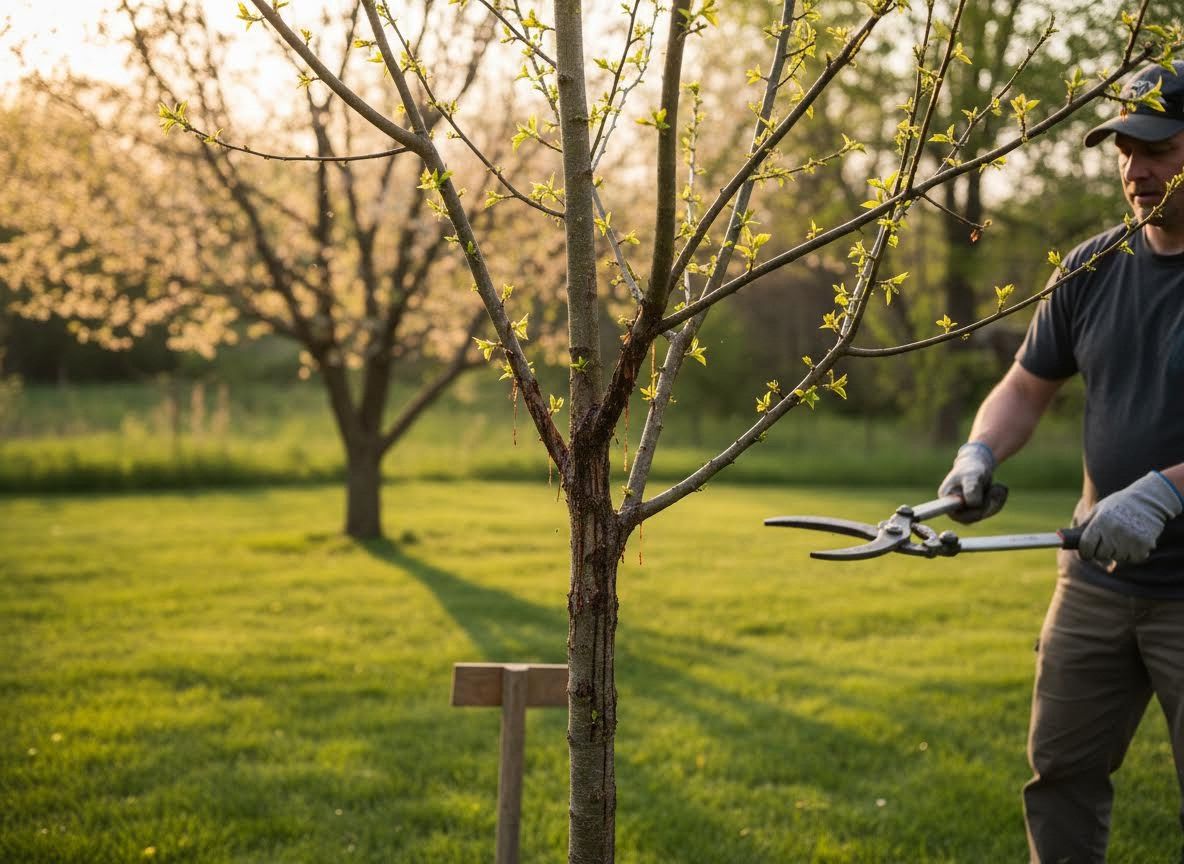
Just as there are optimal times for pruning, there are also periods when it's best to avoid major tree care services. Early spring, when trees are just breaking dormancy and sap is actively flowing, can be a less-than-ideal time for heavy pruning, as it can lead to excessive bleeding and attract pests. Similarly, late fall pruning, especially for certain species, can stimulate new growth that may not harden off before winter, making it vulnerable to frost damage. Understanding these nuanced timings is critical to prevent unintended harm to your valuable trees.
Species-Specific Needs and Professional Guidance
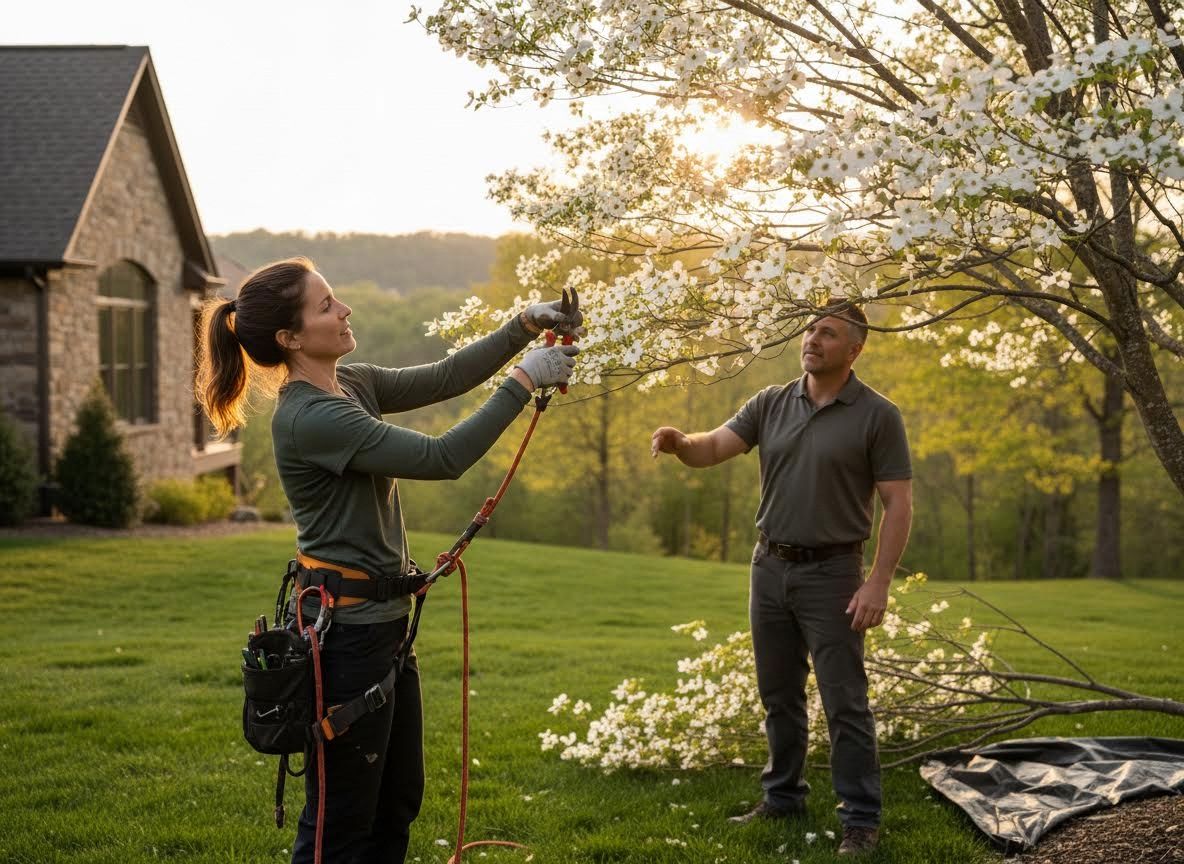
It's important to remember that not all trees are created equal; different species have unique growth habits and optimal pruning windows. For instance, some flowering trees, like dogwoods or magnolias, are best pruned right after they finish blooming to preserve the next season's flower production. Fruiting trees also have specific pruning schedules to encourage fruit development. Navigating these complexities is where the expertise of a Certified Arborist becomes invaluable. Professional tree care companies possess the knowledge to assess individual trees, understand their specific needs, and recommend the best course of action to ensure their vitality.
Understanding the best time to prune your trees in Northwest Arkansas is a crucial aspect of responsible tree care. Whether it's structural work during dormancy or targeted trimming in summer, timing significantly impacts your tree's health and longevity. For those considering any tree care services, from meticulous tree trimming to more involved tree removal or stump grinding projects, consulting with knowledgeable local experts is always recommended. Contact Spira Tree Care to explore how our dedicated team can provide tailored solutions for your landscape's unique needs.